Published September 15, 2026
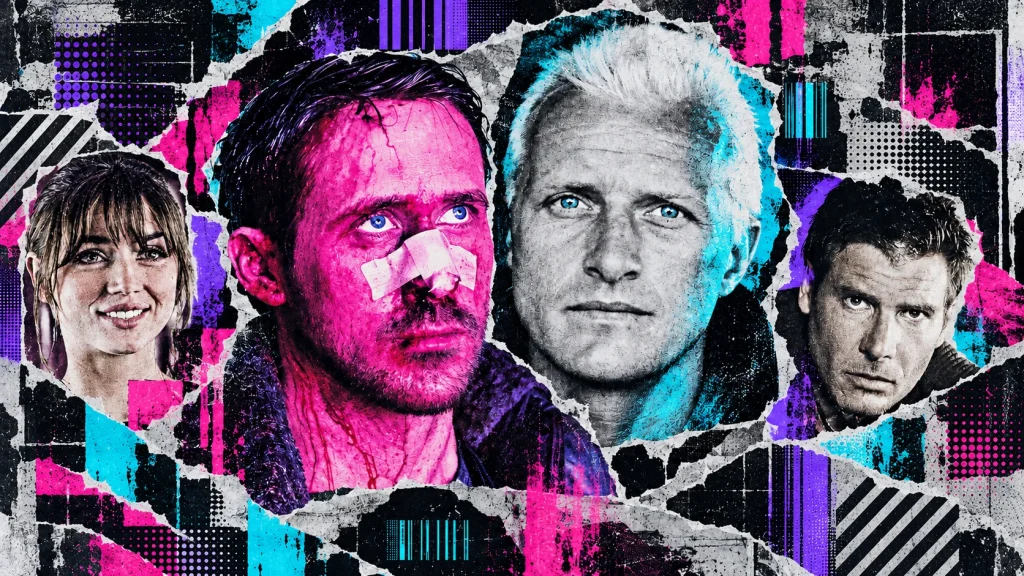
The strangest thing about Blade Runner lore is how little it depends on Rick Deckard. He opens the door, sure. Then Rachael, Roy Batty, K, Aahna Ashina, and Elle keep walking through it.
That gives the franchise a shape beyond two beautiful movies. Its many branches keep returning to the same fight over memory, labor, and legal personhood.
The Novel Starts With a Damaged Society
Philip K. Dick’s Do Androids Dream of Electric Sheep? takes place after World War Terminus poisons Earth. Real animals have become luxury goods. Mood organs regulate emotion, while empathy boxes support a religion built around Mercerism. Android servants come free with emigration to the colonies.
Rick Deckard hunts six escaped Nexus-6 androids because he wants enough bounty money to replace his electric sheep with a real animal. His moral standing sits inside a market where authenticity has a price.
The androids flee forced labor on Mars. Humans call their resistance defective behavior, then use an empathy test to justify killing them. Dick keeps the distinction slippery on purpose.
The Film Makes the Test Look Official
Ridley Scott’s Blade Runner moves the story to Los Angeles in 2019 and cuts away Mercerism, the mood organ, and much of the animal economy. Replicants serve as expendable workers off-world. Tyrell gives them four-year lives and implanted memories. The LAPD retires any replicant who returns to Earth.
The Voight-Kampff test makes prejudice look clinical. It studies breathing, pupils, and emotional response while the operator decides whether the subject can be killed. The machine offers procedure. Roy Batty wrecks its premise by showing more mercy than Deckard does.
Rachael makes the problem personal. Her childhood belongs to Tyrell’s niece, yet her grief belongs entirely to her. Deckard’s identity stays unresolved. The theatrical ending, unicorn dream, and Gaff’s origami figure pull different cuts toward different answers. I prefer the uncertainty.
The Blackout Changes the Balance of Power
The years between the films turn corporate records into a battlefield. In Blade Runner Black Out 2022, replicants destroy the databases used to identify and hunt them. The blackout breaks Tyrell’s control and creates the opening later exploited by Niander Wallace.
2036 Nexus Dawn shows Wallace selling lawmakers a new generation of obedient Nexus-9 replicants. His demonstration is viciously simple. A replicant obeys an order to die. Wallace presents that surrender as proof of product safety.
By Blade Runner 2049, Wallace has rebuilt the slave economy at enormous scale. K works inside it as a replicant blade runner. He hunts older models and reports for baseline testing afterward. Like other cyberpunk heroes employed by the villain, he survives by enforcing the system that owns him.
The discovery that Rachael gave birth threatens every legal boundary around replicants. K believes he may be that child because one implanted memory proves real. The film denies him that comfort. His decision to save Deckard still matters once birth can no longer certify his humanity.
That use of memory shares some DNA with Total Recall and its manufactured identity. Both stories treat memory as lived experience with real consequences. A false past can still create loyalties that no corporation fully controls.
The Expanded Stories Move Beyond Deckard
Westwood’s 1997 Blade Runner game may be the smartest expansion. Rookie blade runner Ray McCoy investigates animal killings during Deckard’s case, but the game refuses to lock every character into one identity.
Some suspects can be human in one playthrough and replicant in another. McCoy can remain loyal to the LAPD, help the fugitives, or walk away. The Voight-Kampff test becomes the player’s problem. Certainty never arrives on schedule.
Titan’s Ash trilogy pushes the badge through a longer moral arc. Blade Runner 2019 introduces Aahna Ashina as a feared hunter. Blade Runner 2029 finds her protecting replicants, and Blade Runner 2039 brings that choice into conflict with Wallace and Luv.
Blade Runner Origins reaches back to the early Nexus program. Blade Runner Black Lotus follows the amnesiac replicant Elle through Los Angeles in 2032. Her missing past drives a revenge story shaped by humans who treat replicants as disposable entertainment.
The Road to 2099 Should Keep Some Gaps Open
The next announced screen chapter is Blade Runner 2099. Moving fifty years beyond Blade Runner 2049 gives the series room to show what Wallace’s empire left behind. It also creates a risk. A timeline this crowded can turn every unanswered question into franchise paperwork.
The supposed Alien connection belongs in the margins. Shared corporate references and Ridley Scott’s comments create a suggestive family resemblance. They work better as production history and playful connective tissue than as a rigid master canon.
Blade Runner grows when a new character sees the same social order from another bad angle. More lore earns its place when it complicates the test instead of finally telling us who passes.

Daniel writes about cyberpunk, sci-fi, movies, TV, and technology. A lifelong Terminator fan, he’s drawn to stories about machines, identity, rebellion, and the future. CyberPVNK is where he puts those interests to work.