Published September 10, 2026
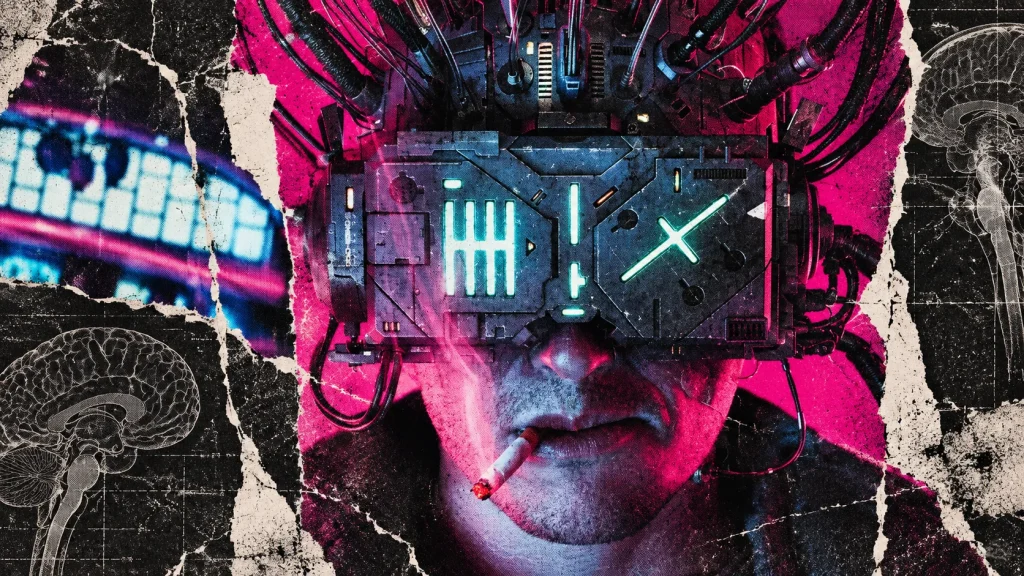
The hardest part of adapting Neuromancer is showing why Case needs the Matrix. He has lost access to the place where he feels most capable. Physical life in Chiba City feels slow and limiting after the freedom he experienced in cyberspace.
Apple TV can create an impressive digital world. The story will only work if the audience understands why Case is desperate to return to it.
The Audience Has to Feel the Loss
Case’s former employers damage his nervous system after he steals from them. The punishment ends his career and cuts him off from an experience that had become central to his identity.
He turns to drugs while searching for a cure. That behavior grows from his desire to escape physical life and recover the intensity of the Matrix. Treating it as a standard vice would weaken the connection between his addiction and his work.
Armitage understands what Case wants. He repairs the damage and hides poison in the treatment. Case can enter cyberspace again, but his employer controls the cure. He becomes another worker whose abilities belong to the person paying him.
Apple’s series arrives January 22, 2027. Its official premise follows Case and Molly as they carry out a heist against a corporate dynasty. The heist gives the plot direction. Case’s dependence on cyberspace gives the job its personal stakes.
Cyberspace Needs More Than Good Effects
Science fiction already has plenty of glowing interfaces and digital cities. Those images can show where Case goes, but they cannot explain what the experience means to him.
Gibson’s loose approach to computer technology kept the Matrix subjective. Case describes it through sensation and movement. The adaptation needs its own way to show that change in perspective.
Editing and sound can help separate physical life from cyberspace. Callum Turner’s performance matters even more. The audience should see the difference between Case struggling through Chiba City and Case thinking clearly inside the Matrix.
The design should also preserve the danger. Corporate data may look beautiful from inside cyberspace, but it remains private property protected by lethal security.
Molly Brings the Story Back to the Body
Molly has a different relationship with technology. Her mirrored lenses and razors are built into her body. She uses physical modification to move through the world that Case wants to escape.
That difference can give their partnership real tension. Case treats the Matrix as freedom. Molly knows that every enhancement has a physical cost and usually a financial one as well.
Her point of view also connects to the larger question of what a faithful Neuromancer adaptation should preserve. The series needs more than familiar images. It needs to show who controls the technology and what each character had to give up for access.
If the audience understands why Case misses the Matrix, every return will feel exciting and dangerous. That emotional connection matters more than the exact look of cyberspace.

Daniel writes about cyberpunk, sci-fi, movies, TV, and technology. A lifelong Terminator fan, he’s drawn to stories about machines, identity, rebellion, and the future. CyberPVNK is where he puts those interests to work.