Published September 9, 2026
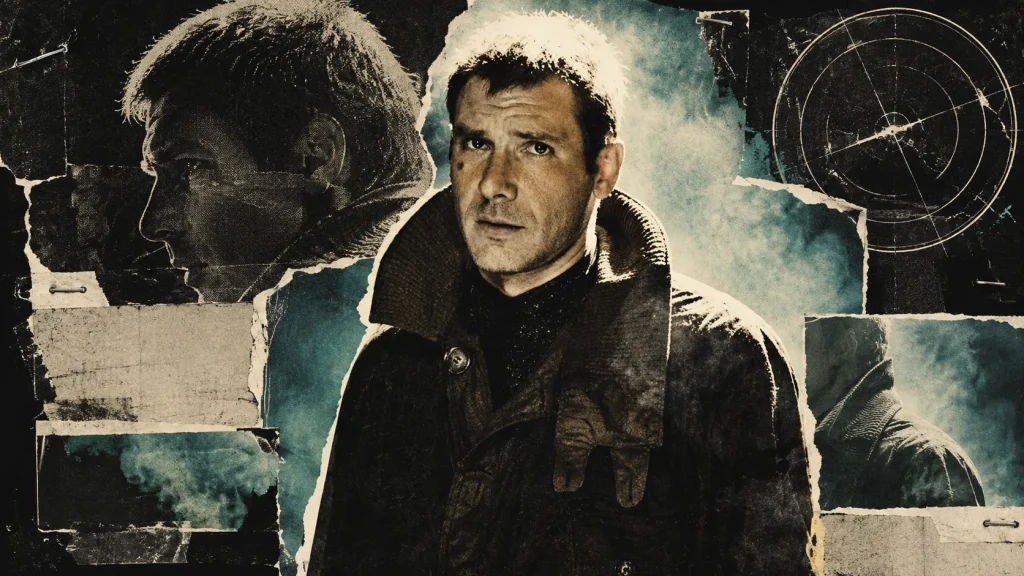
Rick Deckard works for the police, but his first scene with Bryant feels more like coercion than recruitment. Bryant wants him to hunt four escaped replicants. Deckard understands what happens if he refuses.
That arrangement appears throughout cyberpunk. The hero has useful skills and some freedom, yet the job still serves a larger system. The conflict comes from deciding what to do with the limited choices that remain.
Authority Comes With Conditions
Deckard’s badge gives him the right to kill replicants on behalf of the state. The police call it retirement, which makes the violence sound like routine paperwork. His targets were created by Tyrell as disposable workers. Deckard helps the system remove them when they demand longer lives.
Rachael makes the job harder for him to accept. She has memories that Tyrell placed in her mind and believes they belong to her. The manufactured identity in Total Recall raises the same problem. A person has very little control when a corporation can shape their past.
RoboCop makes the ownership even more direct. OCP rebuilds Alex Murphy and treats him as company property. He has great physical power, but Directive 4 prevents him from acting against a senior executive. His authority only works within rules set by the corporation.
Murphy begins resisting when his memories return. Deckard changes when he starts seeing replicants as people. Both characters use power given to them by the system and then turn part of that power against it.
Freelancers Face the Same Problem
Case in Neuromancer has no badge or uniform. He still depends on his employer. Armitage repairs the nerve damage that blocks Case from cyberspace and uses hidden poison to keep him obedient. Case’s need for the Matrix makes the contract much harder to escape.
Molly works from job to job as a street samurai. The runners in Shadowrun do the same thing. They can choose clients and negotiate payment, but they survive by taking assignments from corporations that hide behind people like Mr. Johnson.
The work looks independent because nobody wears a company uniform. The corporation still controls the money and information. It also has access to better weapons and medical technology.
Syndicate shows this structure from the other side. The player controls a corporation and sends cyborg agents to attack competitors. Those agents appear as resources on a screen. The game makes it easy to forget that the upgrades belong to people whose choices have been removed.
Small Acts of Refusal Still Matter
These heroes rarely destroy the systems they serve. Deckard can save Rachael. Murphy can recover his identity. Case can learn who has been manipulating him. Each decision creates a small amount of freedom inside a much larger structure.
That is why compromised heroes fit cyberpunk so well. They show how power works through employment and access rather than through force alone. Technology can expand a person’s choices while another authority decides where those choices end.
The hero remains part of the system after resisting it. That unfinished struggle feels more honest than a clean victory.

Daniel writes about cyberpunk, sci-fi, movies, TV, and technology. A lifelong Terminator fan, he’s drawn to stories about machines, identity, rebellion, and the future. CyberPVNK is where he puts those interests to work.